
Policy shifts and corporate pressure suggest the platform may be making room for bigger fish.
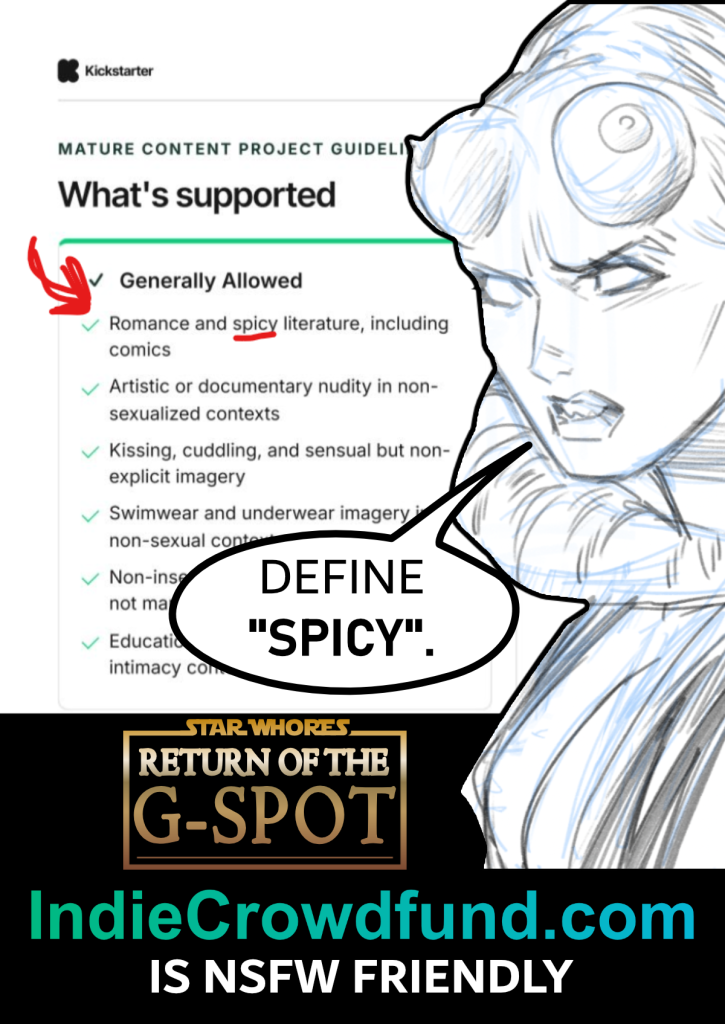
When Kickstarter rolled out new mature content guidelines this month — banning lingerie, censored bars, and certain words they deemed derogatory — the indie comics community pushed back hard. The company reversed course within days. But the apology revealed something creators already suspected: Kickstarter doesn’t control its own content policies. Stripe does.
For many, it confirmed a theory that’s been building for months. Kickstarter may not just be tweaking its rules. It may be reshaping the entire platform for mainstream comic book publishers to enter in with big numbers.
The Digital Shelf
Comic book sales have largely moved digital. DC has migrated, Global Comix, Webtoons, and other outlets have grown, and digital PDF sales through crowdfunding have become a standard part of how indie creators operate. In that context, Kickstarter isn’t just a fundraising platform — it’s a digital shelf. And like any shelf, the question of who controls the space matters enormously. If the platform is making way for Batman, DC would hardly want Batpool sitting next to it.
The Shelf Space Problem
Mainstream publishers have noticeably been moving onto Kickstarter over the last few years. Boom Studios, Dynamite, Top Cow, Zenescope — to name a few. DC and Marvel art books featuring a single artist have become a regular fixture.
Indie creators using Kickstarter started raising alarms about what that shift meant. Some in the Comicsgate community — most of whom had already left the platform years earlier over censorship issues — didn’t quite see what the fuss was about. From the outside, it looked like a simple competition problem: if your content is good enough, it speaks for itself. But that framing missed the point. The concern was never about competing on quality. It was about what happens to the platform’s priorities when it’s not about quality — when it’s about pay-to-play. In the face of multi-million-dollar campaigns coming in from the mainstream, the $25k-per-campaign indie creator is much more replaceable.
On top of pressures from an already litigious industry, indie creators have wondered if there would be a shelf space issue.
Think of grocery store shelf space. Retailers charge “slotting fees” to manufacturers to secure placement on their shelves. The best spots cost the most. Just below eye level guarantees the highest sales and the most visibility. The big brands pay their way to eye level and the smaller brands get moved to the bottom shelf, where nobody looks.
Kickstarter’s After Dark Section as “The Bottom Shelf”
Ironically captioned “Because NSFW deserves a home on Kickstarter”.
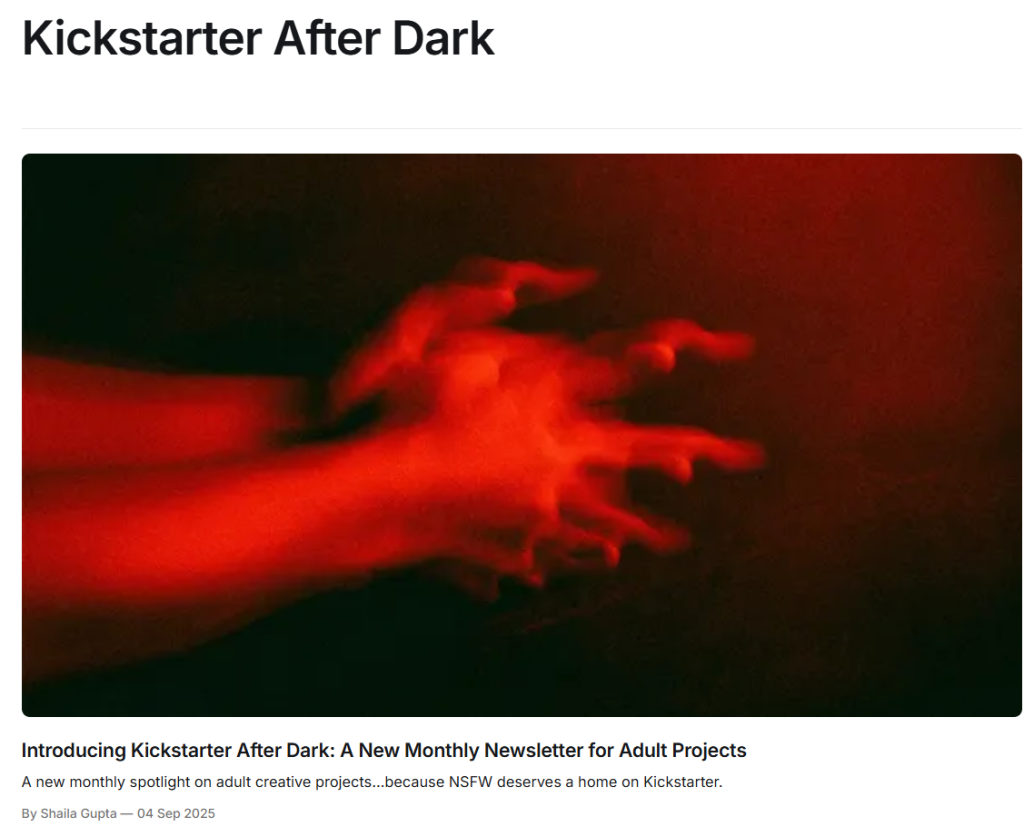
Kickstarter’s “After Dark” section, launched months ago, first looked like a win for adult content creators — their own space, their own audience. But many readers pointed out the inconsistency. Kickstarter was creating their own space for NSFW while simultaneously suspending campaigns on Stripe’s behalf due to NSFW content. It didn’t make sense.
Viewed through the lens of the bottom shelf analogy, now it does. After Dark may have served a different purpose: relocating controversial content away from the main storefront, where major publishers and their family-friendly brands would soon be setting up shop.
In theory, once that content was corralled into its own corner, step two became possible — tightening the rules around what’s allowed there as a whole.
The Stripe Ceiling
Stripe sets the real limits here, not Kickstarter. If Kickstarter’s commitment to creators only goes as far as Stripe allows, that commitment has a hard ceiling — one that may fall well below the dark, edgy, and legally complex work that defines indie comics, making the platform not very indie-friendly in the long term.
A Pattern of Cases
It’s not just NSFW content under fire — parody work has been hit too, over the course of many years. Several creators have faced frivolous cease and desists from large publishers, having their campaigns struck. My own campaign Batpool has been held hostage for months.
The pattern goes back years. Around 2020, most Comicsgate creators had already separated from Kickstarter over cease and desists, censorship, and terms of service violations that consistently favored corporate interests. Mike Baron and Mike S. Miller both migrated off the platform over political correctness issues. Around that same time, Jon Del Arroz was removed from the platform for “Violating community standards” and has since seen crowdfunding success elsewhere.
In 2024, Coffin Comics issued a cease and desist against a Star Wars parody by Divinity Comics, claiming ownership of the skin color white and alleging infringement on Lady Death. Around that time, Dan Mendoza sent a similar complaint to Fate 68 Comics, claiming they owned the skin color green. Anyone who has been a Kickstarter regular knows Mendoza and Pulido are high earners and therefore, the pressure to cave to their demands was felt by many other indie creators in the community. Many encouraged Divinity Comics to simply bow down because more money meant more legal power and sway with the platform. The fear of being shadow banned, should they go against the grain of top earner Coffin Comics, may well have been a true concern as we now have faced multiple issues on multiple campaigns since the controversy.
More recently, Warner Brothers came after Batpool, before ultimately backing down. The campaign was freed, before quickly being taken down second time when Rippaverse artist Eric Ninaltowski took personal issue over its NSFW content. All of this while Kickstarter claims to have creator’s backs and wants to house NSFW content.
When a platform allows corporate legal pressure to sideline protected creative work — and offers no equivalent protection to the creator — the chilling effect is real, whether a case ever reaches a courtroom or not. If a platform lets just any incoming cease and desist freeze a campaign, the potential for serious financial and fulfillment harm to the indie creator is severe. The only ones able to whether some of those storms would be big publishers while the little guys get snuffed out.
What Comes Next
Pat Shand and Bad Bug Media continue to use the platform after both announced they reached out to reps at Kickstarter concerning the NSFW restrictions. Their current live campaigns feature no censored bars or nudity. Many creators have migrated over or are considering the migration over to NSFW-friendly platform Indiecrowdfund.com.
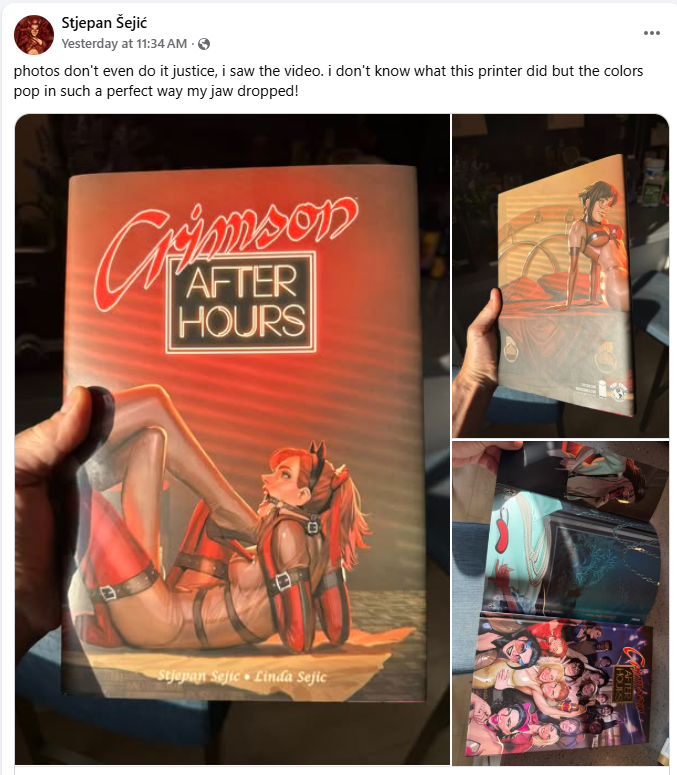
It will be interesting to see how this affects long-time NSFW creators like Stjepan Šejić.
We’ll follow this story as it develops.