

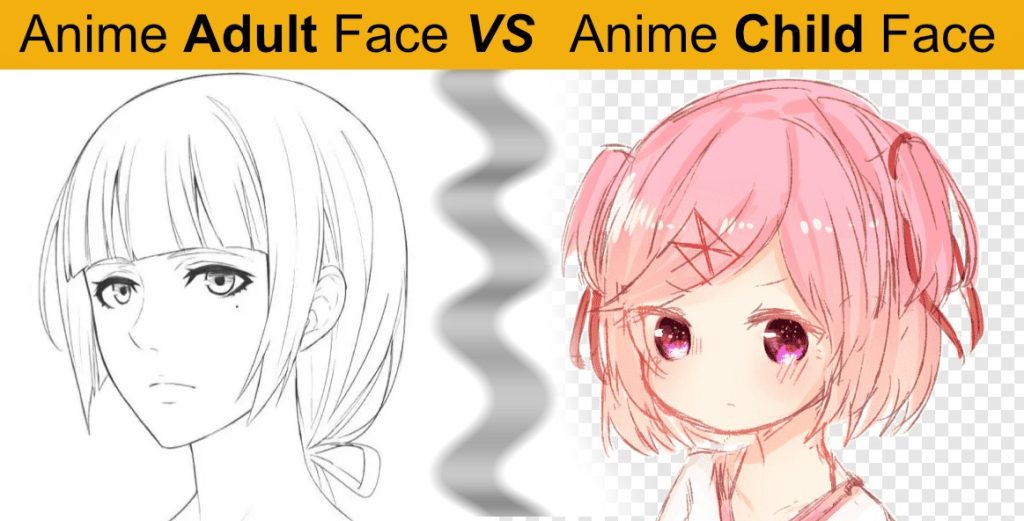
As Anime has surged in global popularity over the years, questionable “tropes” have been popularized along with it. These include the under-age girl skirt lift and the blurred line between the child and adult anime face. Seen as controversial in the East since the 1970’s, it seems controversy in the West is finally catching-up.
A moral rift in indie comics has developed between those who excuse it and those who condemn it. While sales rake in for some indie creators who have been eager to adopt the style, darker implications linger, while many creators disavow the medium.
Here’s an article highlighting:
- the cultural differences between East Vs West
- different takes from indie comic artists involved in anime
- and educational take on the history of controversial anime
Figures regarding the prevalence of lolicon and shotacon are hard to come by, but it is estimated that 30–40% of manga contain sexual references involving underage characters.[17] The age of consent in Japan was 13, however it was raised to 16 in 2023 with the adoption of a new sex crime law which also established grooming, voyeurism, and asking for sexual images of children under the age of 16 as crimes.[23][24][25] No regulations are in place to control images portraying sexual content of hentai in manga or anime.[26]
Controversy in the East
In the 1970s, shōjo manga (marketed to girls) underwent a renaissance in which artists, such as those of the Year 24 Group, experimented with new narratives and styles, and introduced themes such as psychology, gender, and sexuality.[27] These developments attracted adult male fans of shōjo manga, who crossed gendered boundaries to produce and consume it.[28] The first appearance of the term “Lolita complex” in manga was in Stumbling Upon a Cabbage Patch,[h] an Alice in Wonderland–inspired work by Shinji Wada published in a 1974 issue of the shōjo manga magazine Bessatsu Margaret, where a male character calls Lewis Carroll a man with a “strange character of liking only small children” in an inside joke to adult readers.[29][i] Early lolicon artwork was influenced by male artists mimicking shōjo manga,[30][31] as well as erotic manga created by female artists for male readers.[9]
The image of the shōjo (young girl) rose to prominence in Japanese mass media in the 1970s as a symbol of cuteness, innocence, and an “idealized Eros“, attributes which became attached to imagery of younger girls over time.[32] Nude photographs of shōjo,
Chibi’s
Used artistically to strip away everything but the “cuteness” of the character, the word “chibi” derives from the Japanese chibi kyara. “Chibi” (ちび) is a colloquial word for very short people or children, especially in context of affection or annoyance.
They are often used in internal dialogue, suggesting there’s an inner-child in all of us. If you read anime, you’ll see all kinds of adult characters suddenly turning chibi as they experience temper tantrums, extreme hunger, sleepiness, extreme happiness, excitement, and so on. Chibis could arguably contribute to the blurred line of adult and child anime faces.
You can see where this gets dark.
Ignorance or Grift?
Leaning into anime popularity is an easy sales boost. Additionally, anime a simple art style which even amateur artists can pull off. If there is any integration with AI that would be the easiest, it’s probably anime, never mind that this is especially so for the world of adult content. Excusing any darker implications may be monetarily beneficial or perhaps it is out of ignorance to the history of the medium that the “cultural differences” argument gets pushed.
Sources: “Why Japanese Manga Is Outselling American Comic Books in the West” (https://www.cbr.com/japanese-manga-vs-american-comics-why-more-popular/)
Pop Culture dictionary: chibi (https://www.dictionary.com/e/pop-culture/chibi)
Wikipedia: Chibi_(style) https://en.wikipedia.org/wiki/Chibi_(style)
From: https://www.dictionary.com/e/pop-culture/chibi (below)